
That persistent morning stiffness—the kind that takes thirty minutes to work out—affects far more people than many realize. According to arthritis prevalence data published by the CDC, 18.9% of U.S. adults had arthritis in 2022. Behind that familiar creaky feeling lie four distinct biological pathways, each requiring targeted support for meaningful relief.
What drives joint stiffness:
- Inflammation triggers cytokine cascades—turmeric and Harpagophytum modulate this response
- Cartilage breakdown depletes cushioning—glucosamine and chondroitin rebuild structure
- Synovial fluid loss creates friction—hyaluronic acid restores lubrication
- Oxidative stress damages connective tissue—MSM provides protective sulfur compounds
Most joint supplements list ingredients without explaining what each one actually does at the cellular level. That gap between “contains glucosamine” and “supports joint health” leaves consumers guessing whether a product addresses their specific type of discomfort.
The four mechanisms detailed below represent the primary biological pathways researchers have identified in joint stiffness. Each responds to different nutritional inputs—which explains why multi-ingredient formulations targeting several pathways simultaneously have gained traction in recent clinical studies.
Inflammation: The Primary Driver of Joint Discomfort
Chronic low-grade inflammation operates differently from the acute inflammation that follows an injury. Instead of resolving within days, this persistent inflammatory state creates a self-reinforcing cycle where cytokines—signaling molecules like interleukin-1 and tumor necrosis factor—continuously activate enzymes that degrade cartilage matrix.
Understanding the differences between mechanical and inflammatory pain helps explain why some people experience stiffness primarily in the morning while others notice it after physical activity. Inflammatory joint discomfort tends to improve with movement as blood flow increases, whereas mechanical issues often worsen with use.
How the inflammatory cascade works: Pro-inflammatory cytokines trigger the production of prostaglandins and matrix metalloproteinases (MMPs). These MMPs break down collagen and proteoglycans—the structural components that give cartilage its cushioning properties. Over time, this degradation reduces the joint’s shock-absorbing capacity.
Two natural compounds have shown particular relevance for modulating this pathway. Turmeric contains curcumin, which laboratory studies demonstrate interferes with COX-2 enzyme activity—the same pathway targeted by many over-the-counter pain relievers. Bioavailability remains a consideration, as curcumin absorbs poorly without enhancement technologies or complementary compounds.
Harpagophytum (Devil’s Claw) earned its name from the hooked shape of its fruit, not any sinister property. Native to southern Africa, the plant has been used for centuries in traditional practices for musculoskeletal complaints. Modern extraction methods concentrate the active harpagoside glycosides, an iridoid compound that appears to influence similar inflammatory pathways.
The practical significance? Addressing inflammatory response at the source—rather than simply masking symptoms—may help break the degradation cycle before cartilage loss becomes more pronounced.
Cartilage Breakdown: Why Glucosamine and Chondroitin Matter
Articular cartilage functions like a living sponge—compressing under load to absorb shock, then rebounding to its original shape. This resilience depends on two structural components: collagen fibers providing tensile strength and proteoglycans (mainly aggrecan) retaining water for cushioning. When degradation outpaces rebuilding, stiffness follows. Multi-ingredient formulations such as GCA 2700 joint mobility supplements from SANTE VERTE combine glucosamine-chondroitin with botanical support for a comprehensive approach.
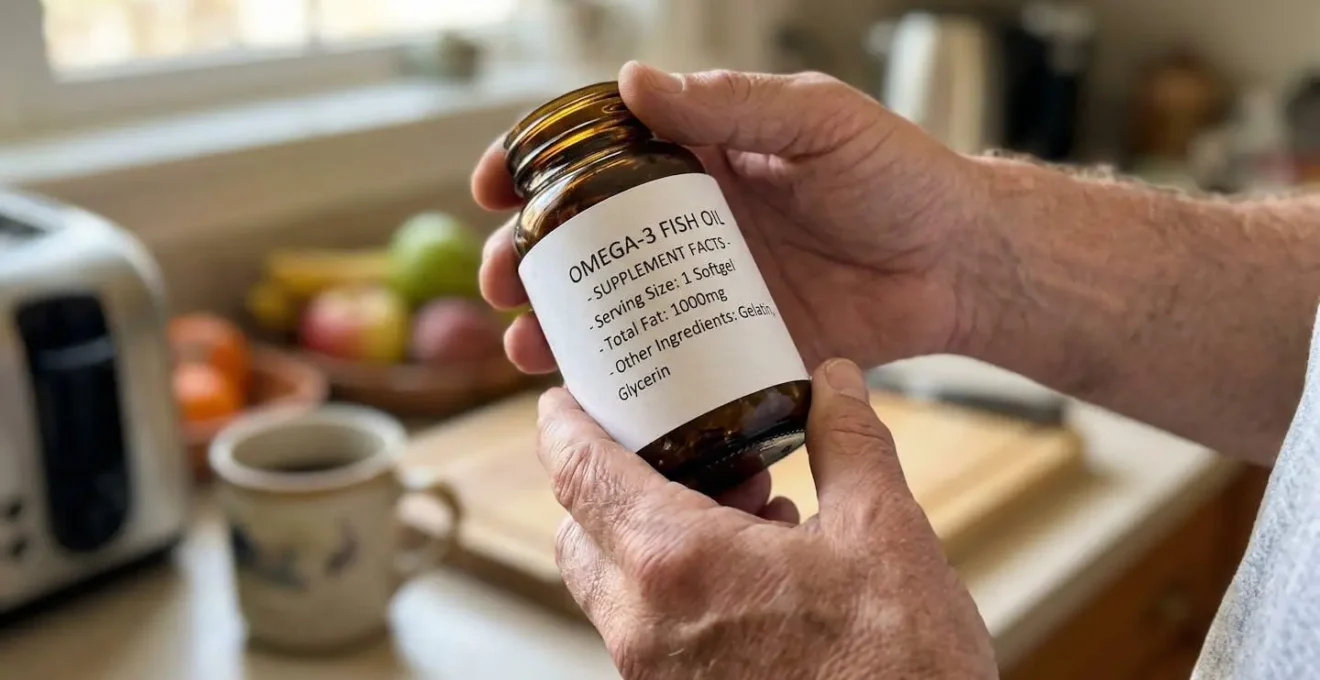
The numbers here matter. According to the NIH fact sheet on glucosamine and chondroitin for osteoarthritis, more than 32 million U.S. adults have osteoarthritis—making cartilage support one of the most researched supplement categories. A 2018 meta-analysis of 29 studies involving 6,120 participants found that glucosamine and chondroitin taken separately significantly reduced global pain scores.
What makes cartilage unique among body tissues is its avascular nature—no blood vessels penetrate the cartilage matrix directly. Nutrients must diffuse from the synovial fluid, a process that depends on joint movement to create the pumping action that circulates this nutrient-rich liquid. Sedentary periods reduce nutrient delivery, compounding the degradation problem.
Research published in the Journal of Clinical Medicine (December 2024) analyzed 30 randomized controlled trials covering 5,265 patients. The network meta-analysis found that combination approaches—glucosamine paired with chondroitin sulfate, MSM, or hyaluronic acid—showed measurable benefits for knee osteoarthritis pain compared to isolated compounds.
The recommended oral daily dose used in clinical research typically ranges around 1,500 mg glucosamine and 1,200 mg chondroitin—though formulations vary. Products combining these with additional active compounds may distribute the total dose differently while maintaining therapeutic potential. Consistency matters more than precise timing; absorption occurs whether taken with or without food.
The practical takeaway: cartilage repair happens gradually. Clinical studies typically assess results over 8–12 weeks or longer. Short-term expectations often lead to premature discontinuation before compounds reach effective tissue concentrations.
Synovial Fluid Depletion: The Role of Hyaluronic Acid
Every joint contains a small amount of viscous liquid that prevents bone-on-bone contact during movement. This synovial fluid serves two critical functions: lubrication during motion and nutrient delivery to cartilage (which lacks its own blood supply). Age, repetitive stress, and inflammatory conditions all reduce synovial fluid viscosity—explaining why joints feel “dry” or “creaky” even before significant cartilage damage occurs.
Think of it this way: Synovial fluid works like motor oil in an engine. Fresh oil flows smoothly and protects moving parts from friction; degraded oil loses viscosity and accelerates wear. Hyaluronic acid—a key component of synovial fluid—determines whether your joints glide or grind.
The molecule itself is remarkably simple: a long chain of repeating sugar units that can hold up to 1,000 times its weight in water. This water-binding capacity creates the gel-like consistency that cushions cartilage during compression and allows smooth articulation during movement.

The viscosity reduction that accompanies aging explains a phenomenon many people recognize: joints that felt fine yesterday suddenly “lock up” after a flight, long meeting, or extended sleep. Without regular movement to distribute synovial fluid, the joint surfaces essentially run dry during these static periods.
Hyaluronic acid concentrations in synovial fluid can decrease by 50% or more between youth and older age. While injectable hyaluronic acid (viscosupplementation) remains a clinical intervention for more severe cases, oral supplementation offers a daily maintenance approach that some users find supportive for milder stiffness patterns.
Oral hyaluronic acid supplementation has shown potential in some studies for supporting joint lubrication, though bioavailability remains an active research question. The body does absorb fragments of hyaluronic acid from the digestive tract, and some evidence suggests these fragments may stimulate the joint’s own production of the molecule.
For individuals whose stiffness worsens after prolonged sitting or first thing in the morning—before synovial fluid has had time to distribute through the joint space—hyaluronic acid supplementation represents one piece of a larger mobility strategy that includes regular movement.
Oxidative Stress: How MSM Protects Joint Tissues
Free radicals—unstable molecules generated during normal metabolism, inflammation, and environmental exposure—accumulate in joint tissues over time. These reactive oxygen species damage cell membranes, degrade collagen fibers, and accelerate the breakdown of proteoglycans. While the body maintains natural antioxidant defenses, chronic joint inflammation tends to outpace these protective systems.
MSM (methylsulfonylmethane) provides a bioavailable form of organic sulfur. Sulfur plays an essential role in forming disulfide bonds that stabilize collagen structure—the same protein network that gives cartilage its tensile strength. Research has also documented MSM’s influence on inflammatory markers and its potential to support glutathione—the body’s master antioxidant.
“Sulfur is the third most abundant mineral in the human body, and adequate sulfur intake supports the structural integrity of connective tissues including cartilage, tendons, and ligaments.”
The counterintuitive aspect of oxidative stress: it operates silently. Unlike inflammation, which produces noticeable swelling or warmth, oxidative damage accumulates without obvious symptoms until structural changes become irreversible. This makes preventive support—rather than reactive treatment—particularly relevant for long-term joint health.
Multi-ingredient approaches gain their rationale here. Targeting inflammation alone misses the oxidative component; addressing only cartilage building blocks ignores the inflammatory destruction consuming them. Comprehensive formulations that include MSM alongside glucosamine-chondroitin and botanical anti-inflammatories attempt to address multiple pathways simultaneously.
For those interested in how plant compounds contribute to this synergy beyond the joint-specific ingredients, the health virtues of aromatic herbs extend beyond culinary use into documented physiological effects that support overall wellness and inflammatory balance.
Your Questions About Joint Stiffness Mechanisms
Common questions on joint supplements and mechanisms
How long before joint supplements show noticeable results?
Clinical studies typically assess joint supplement efficacy over 8–12 weeks or longer. This timeline reflects how long it takes for compounds like glucosamine and chondroitin to reach therapeutic concentrations in joint tissues. Initial changes may be subtle—many users report feeling benefits gradually rather than experiencing a dramatic overnight shift. Stopping supplementation before this window closes often leads to incorrect conclusions about effectiveness.
Why combine multiple ingredients instead of taking one?
Joint stiffness involves four distinct mechanisms operating simultaneously: inflammation, cartilage degradation, synovial fluid depletion, and oxidative stress. Single-ingredient products address only one pathway—leaving the other three unaddressed. The December 2024 network meta-analysis in the Journal of Clinical Medicine found that combination therapies outperformed isolated compounds for knee osteoarthritis pain, supporting the multi-mechanism approach represented by formulations like GCA 2700.
Which mechanism drives morning stiffness specifically?
Morning stiffness typically relates to inflammation and synovial fluid distribution. During sleep, joint fluid pools rather than circulating; inflammatory mediators also accumulate overnight without the flushing effect of movement. Gentle activity redistributes synovial fluid and stimulates blood flow, which is why inflammatory-type stiffness tends to improve—rather than worsen—with activity. Mechanical stiffness shows the opposite pattern: worsening with use.
Can supplements reverse existing cartilage damage?
Current evidence suggests supplements may slow further degradation rather than regenerate lost cartilage. However, an Australian 2-year trial (referenced in NIH materials) found that glucosamine-chondroitin combination reduced joint space narrowing compared to placebo—indicating some structural preservation benefit. Starting supplementation before advanced damage occurs appears more effective than attempting to reverse established deterioration.
What does the “2700” in GCA 2700 signify?
The name references the concentrated formulation—specifically the total milligram content of key active compounds per daily serving. Higher-concentration products aim to provide clinically relevant doses in fewer tablets, addressing a common complaint that standard supplements require consuming large numbers of capsules daily. SANTE VERTE designed this dosage level to align with the ranges used in clinical research on joint support ingredients.
Understanding these mechanisms transforms joint supplement selection from guesswork into informed decision-making. The question shifts from “Does this work?” to “Does this address my specific pathway?”—whether that’s inflammation-dominant, cartilage-degradation focused, lubrication-related, or driven by oxidative damage.
Your Next Steps for Joint Mobility Support
A practical action plan:
-
Identify your primary stiffness pattern—morning, activity-related, or constant—to understand which mechanism likely dominates
-
Commit to at least 8 weeks of consistent supplementation before evaluating results
-
Pair nutritional support with daily low-impact movement to maintain synovial fluid circulation
-
Consult a healthcare provider before starting any supplement regimen, especially if taking blood-thinning medications
Joint stiffness rarely stems from a single cause. The four-mechanism framework—inflammation, cartilage breakdown, synovial depletion, and oxidative stress—provides a map for understanding why comprehensive approaches addressing multiple pathways often outperform single-ingredient solutions. SANTE VERTE‘s GCA 2700 formulation represents one such multi-mechanism approach, combining traditional botanical support with modern cartilage-building compounds.
What happens next depends on consistent action over realistic timeframes. Gradual improvement over weeks, not overnight transformation, characterizes what the clinical research actually shows for joint support supplementation.
Important considerations for joint supplements:
- This content is educational and does not replace consultation with a healthcare provider
- Individual results vary based on health status, age, and consistency of use
- Supplement efficacy may differ from clinical study conditions
Specific considerations:
- Potential interactions with blood-thinning medications—consult a physician if taking anticoagulants
- Glucosamine may affect blood sugar levels in diabetic individuals
- Results typically require 8–12 weeks of consistent use
For personalized guidance, consult a physician, pharmacist, or registered dietitian.